
Navigating the World of Forex Trading Online Brokers
In recent years, forex trading has gained tremendous popularity among individual traders, thanks to the advent of online trading platforms. With a plethora of forex trading online broker India Brokers available, it can be overwhelming for beginners to traverse through various options. This article aims to provide insights into forex trading online brokers and offer practical tips for selecting the right platform for your trading needs.
Understanding Forex Trading
Forex, or foreign exchange, refers to the global decentralized market where currencies are traded. It is the largest, most liquid market in the world, with daily trading volumes exceeding $6 trillion. Unlike traditional stock markets, the forex market operates 24 hours a day, five days a week, which provides ample opportunity for traders to engage in buying and selling currencies.
The Role of Online Brokers
Online brokers serve as intermediaries between retail forex traders and the interbank market. They provide platforms for traders to execute their trades, access market data, and utilize various trading tools. The choice of an online forex broker can significantly impact a trader’s experience and success. Therefore, understanding the key features and criteria to consider is crucial.
Key Features to Consider When Choosing a Forex Broker
1. Regulation
One of the most important factors to consider when selecting a forex broker is regulation. Regulatory bodies, such as the Financial Conduct Authority (FCA) in the UK and the Commodity Futures Trading Commission (CFTC) in the US, oversee brokers to ensure they comply with strict standards. Choosing a regulated broker offers protection for your funds and ensures fair trading practices.
2. Trading Platform
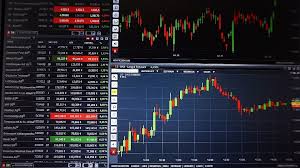
The trading platform is the software application used to carry out trading activities. It should be user-friendly, stable, and equipped with a range of analytical tools. Popular trading platforms like MetaTrader 4 and MetaTrader 5 provide comprehensive features, including technical analysis tools, automated trading capabilities, and mobile accessibility.
3. Spreads and Fees
Forex brokers earn money through spreads—the difference between the bid and ask prices. It’s essential to compare the spreads offered by different brokers to ensure you’re getting a competitive rate. Additionally, be mindful of any hidden fees, such as withdrawal fees or inactivity fees, which can impact your overall trading costs.
4. Customer Support
Effective customer support can make a significant difference in resolving issues that may arise during trading. Look for brokers that offer multiple channels for support, such as live chat, email, and telephone assistance. Testing the responsiveness of their support before opening an account can provide insights into their reliability.
5. Asset Selection
While many brokers specialize in forex, some also offer additional trading instruments, such as commodities, indices, stocks, and cryptocurrencies. If you’re interested in diversifying your trading portfolio, consider selecting brokers that provide a wide range of asset classes.
Types of Forex Brokers
Forex brokers can be categorized into two main types: market makers and ECN (Electronic Communication Network) brokers. Understanding the differences between these types can help you choose the one that aligns with your trading style.
Market Makers
Market makers provide liquidity by quoting both a buy and a sell price for a currency pair. They often have a fixed spread and may take the opposite side of a trader’s position. This model can benefit traders looking for simplicity, but it may lead to potential conflicts of interest.

ECN Brokers
ECN brokers connect traders directly to the interbank market, providing access to real-time pricing from various liquidity providers. They usually charge a commission on trades instead of marking up the spread. This model is preferred by advanced traders who seek transparency in pricing and execution.
Developing Your Trading Strategy
Choosing the right broker is just the beginning; developing a coherent trading strategy is essential for success in forex trading. Here are some popular strategies that traders commonly adopt:
1. Day Trading
Day trading involves buying and selling currency pairs within the same trading day. Day traders typically take advantage of short-term price movements, closing all positions before the market closes to mitigate overnight risks.
2. Swing Trading
Swing traders hold positions for several days or weeks, aiming to profit from price fluctuations that occur over a longer timeframe. This strategy requires a good understanding of market trends and the ability to identify potential reversal points.
3. Scalping
Scalping is a high-frequency trading strategy where traders look to make small profits on a large number of trades. It requires quick execution and a deep understanding of market dynamics, making it more suitable for experienced traders.
Risk Management in Forex Trading
One of the most critical aspects of forex trading is managing risk effectively. Here are some key principles of risk management:
1. Set Stop-Loss Orders
A stop-loss order is an essential tool for limiting losses. It automatically closes a position at a predetermined price, helping traders minimize their exposure to adverse price movements.
2. Diversify Your Portfolio
Diversification reduces risk by spreading investments across different asset classes or currency pairs. Avoid putting all your funds into a single trade, as this can lead to significant losses if that trade doesn’t go as expected.
3. Understand Leverage
While leverage can amplify profits, it also increases risk. Understand how leverage works and use it wisely. Many professional traders recommend using lower leverage to manage risk effectively.
Conclusion
Forex trading offers exciting opportunities for financial growth, but it also comes with its challenges. Selecting the right online broker creates a solid foundation for your trading journey. By being informed about brokers’ features, understanding different trading strategies, and implementing strong risk management techniques, you can enhance your chances of becoming a successful forex trader. Remember, continuous learning and adapting to market changes are vital for long-term success in the forex market.