
Mastering Online Forex Trading: Strategies, Tools, and Insights
In the rapidly evolving field of finance, online forex trading South Africa Brokers play a pivotal role in facilitating online forex trading. As the demand for trading foreign currencies continues to grow, individuals and institutions alike are seeking ways to maximize their profit potential while navigating the complexities of the forex market. This article aims to provide a comprehensive understanding of online forex trading, its mechanics, essential strategies, and the tools necessary for success.
Understanding Forex Trading
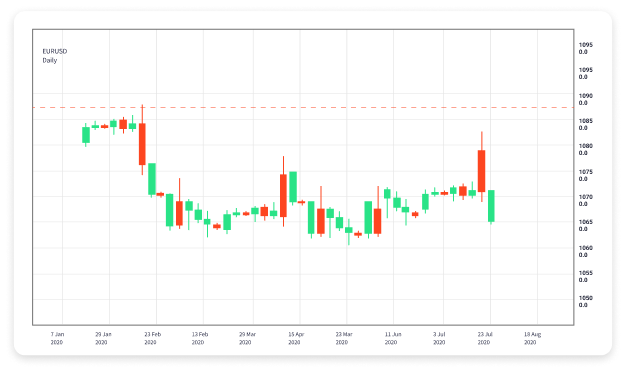
Forex trading, also known as foreign exchange or FX trading, is the process of buying one currency while simultaneously selling another. The forex market is the largest and most liquid financial market in the world, with an average daily trading volume exceeding $6 trillion. The currencies are traded in pairs, such as EUR/USD (Euro/US Dollar) or USD/JPY (US Dollar/Japanese Yen), reflecting the exchange rate between the two currencies.
The Mechanics of Online Forex Trading
The forex market operates 24 hours a day, five days a week, allowing traders to execute trades at any time. Online forex trading platforms have revolutionized how individuals access the market. These platforms provide real-time quotes, charts, historical data, and a suite of tools to help traders make informed decisions.
Key Components of Forex Trading
1. Currency Pairs
Currencies are traded in pairs, with the first currency listed as the base currency and the second as the quote currency. The exchange rate indicates how much of the quote currency is needed to purchase one unit of the base currency. Understanding currency pairs is crucial as it forms the basis of all trades.
2. Pips and Lot Sizes
A pip, which stands for “percentage in point,” is the smallest price movement in a currency pair. Lot sizes refer to the volume of trade and are crucial in determining potential profits or losses. Traders often use standard lots (100,000 units), mini lots (10,000 units), and micro lots (1,000 units).
3. Leverage
One of the most significant advantages of forex trading is leverage, which allows traders to control large positions with a relatively small amount of capital. While leverage can magnify profits, it can also increase losses, making risk management essential.

Strategies for Successful Forex Trading
Having a well-defined strategy is essential for consistent profitability in fx trading. Here are some of the most common strategies employed by successful traders.
1. Day Trading
Day trading involves making multiple trades within a single day, aiming to profit from short-term price movements. Day traders typically close their positions before the market closes, avoiding overnight risk.
2. Swing Trading
Swing trading involves holding positions for several days or weeks, capitalizing on medium-term price movements. This strategy requires a thorough analysis of market trends and often utilizes technical analysis techniques.
3. Scalping
Scalping is a strategy aimed at making small profits from very short-term trades. Scalpers often execute dozens or hundreds of trades each day, relying on small price movements.
Tools and Resources for Forex Traders
Successful forex trading requires access to the right tools and resources. Below are some essential tools that traders should consider.
1. Trading Platforms
Choosing a reliable trading platform is crucial. Popular platforms like MetaTrader 4 (MT4) and MetaTrader 5 (MT5) offer user-friendly interfaces, sophisticated charting capabilities, and automated trading features.
2. Economic Calendars

Being aware of economic events that can impact currency prices is vital. Economic calendars provide updates on crucial economic indicators, such as GDP, employment figures, and interest rates.
3. Technical Analysis Tools
Technical analysis involves using charts and indicators to evaluate price movements. Traders often use various technical indicators like Moving Averages, Relative Strength Index (RSI), and Bollinger Bands to make informed decisions.
Risk Management in Forex Trading
One of the most important aspects of forex trading is risk management. Successful traders understand that managing risk is just as crucial as making a profit. Here are several key principles:
1. Set Stop-Loss Orders
A stop-loss order is an instruction to close a position at a specified price limit. It is essential for limiting potential losses and protecting capital.
2. Diversification
Diversifying your trading portfolio can help mitigate risks. Instead of concentrating all investments in one currency pair, traders should consider spreading their investments across various pairs.
3. Maintain a Trading Journal
Keeping a trading journal helps traders reflect on their performance, analyze successful and unsuccessful trades, and improve over time. Documenting emotions and market conditions can also provide insights for future trades.
Conclusion
Online forex trading can be both exciting and profitable for those willing to invest the time and effort to learn. With the right strategies, tools, and risk management techniques, traders can navigate the complexities of the forex market with confidence. Whether new to trading or looking to enhance your existing skills, continuous education and practice will lead to a more successful trading journey.