

Forex trading, or foreign exchange trading, has become increasingly popular over the years. It offers opportunities for both novice and experienced traders to engage in the global financial markets. To delve deeper into this field, you can check out trading in forex trader-maroc.com, which provides extensive resources and insights. In this article, we’ll explore various aspects of forex trading, including market basics, trading strategies, risk management, and tips for success.
Understanding the Forex Market
The forex market is the largest and most liquid financial market in the world. It operates 24 hours a day, five days a week, and involves the trading of currency pairs, such as EUR/USD, GBP/USD, and USD/JPY. The market is decentralized, which means that there is no central exchange or physical location for trading. Instead, trading takes place electronically, facilitating transactions globally.
Currency Pairs Explained
In forex trading, currencies are quoted in pairs, where one currency is exchanged for another. The first currency in the pair is known as the base currency, while the second is the quote currency. For example, in the pair EUR/USD, the euro (EUR) is the base currency, and the US dollar (USD) is the quote currency. The price of the currency pair reflects how much of the quote currency is needed to purchase one unit of the base currency.
Types of Currency Pairs
Currency pairs are categorized into three main types:
- Major Pairs: These pairs involve the most traded currencies in the world, such as USD, EUR, JPY, GBP, and AUD. Examples include EUR/USD, USD/JPY, and GBP/USD.
- Minor Pairs: These pairs do not include the US dollar and often involve currencies like AUD, NZD, and CAD. Examples are EUR/GBP and GBP/JPY.
- Exotic Pairs: These involve a major currency paired with a currency from an emerging market. Examples include USD/THB (Thai Baht) and EUR/SEK (Swedish Krona).
Trading Strategies in Forex
Successful forex trading involves the application of effective trading strategies tailored to your trading style, risk tolerance, and market conditions.
1. Technical Analysis
Technical analysis focuses on historical price data and charts to forecast future market movements. Traders utilize indicators such as moving averages, RSI, and Fibonacci retracement to identify trends and potential reversal points. By analyzing price patterns and volume, traders can make informed decisions about entry and exit points.
2. Fundamental Analysis
Fundamental analysis examines economic indicators, geopolitical events, and monetary policies to assess currency value. Key economic indicators include inflation rates, unemployment rates, and GDP growth. Traders need to stay informed about events that could impact currencies, such as interest rate decisions by central banks and economic reports.
3. Scalping
Scalping is a short-term trading strategy where traders aim to profit from small price movements. Scalpers open and close positions quickly, often within seconds or minutes. This strategy requires a high level of focus and quick decision-making, as well as the use of leverage to maximize returns on small price changes.
4. Swing Trading
Swing trading is a medium-term strategy where traders hold positions for several days to capture price swings. This approach requires patience and allows for analysis of both technical and fundamental factors influencing the market. Swing traders typically use daily or 4-hour charts to identify entry and exit points.
5. Position Trading
Position trading is a long-term strategy where traders hold positions for weeks, months, or even years. This approach is based on fundamental analysis and macroeconomic trends, allowing traders to benefit from significant price movements over time. Patience and a sound understanding of economic indicators are crucial for this strategy.
Risk Management in Forex
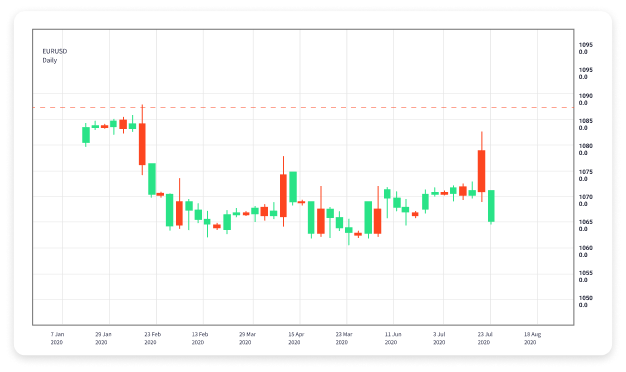
Effective risk management is essential in forex trading to protect your capital and enhance your chances of long-term success. Here are some key principles to follow:
1. Use Stop-Loss Orders
Stop-loss orders automatically close your position at a predetermined price to limit potential losses. They act as a safety net, preventing you from incurring significant losses due to sudden market fluctuations. Always set stop-loss levels when entering trades.
2. Manage Your Leverage
Leverage allows traders to control larger positions with a smaller amount of capital. While it can amplify profits, it also increases risk. Use leverage wisely and ensure you understand its implications. It’s often recommended to use lower leverage ratios to manage risk effectively.
3. Diversify Your Portfolio
Diversification involves spreading your investments across different currency pairs to reduce risk. Avoid putting all your capital into a single trade or currency. By diversifying, you can mitigate potential losses and benefit from various market conditions.
4. Keep Emotions in Check
Emotional decision-making can lead to impulsive actions and significant losses in trading. Develop a trading plan based on research and analysis, and stick to it. Avoid letting fear or greed drive your decisions, and be disciplined in your approach.
Essential Tips for Forex Trading Success
To achieve consistent success in forex trading, consider the following tips:
1. Continuous Learning
The forex market is constantly evolving. Stay informed about market trends, economic developments, and trading strategies. Participate in webinars, read books, and engage with online trading communities to expand your knowledge.
2. Develop a Trading Plan
A well-defined trading plan outlines your trading goals, strategies, risk tolerance, and rules for entering and exiting trades. This plan acts as a roadmap, helping you stay focused and disciplined in your trading activities.
3. Choose the Right Broker
Selecting a reputable forex broker is crucial for your trading success. Look for brokers with competitive spreads, reliable execution, strong regulatory backing, and a user-friendly trading platform. Test their services with a demo account before committing real funds.
4. Analyze Your Trades
Keep a trading journal to track your trades, decisions, and outcomes. Regularly reviewing your performance helps you identify strengths and weaknesses in your trading strategy, allowing for improvements and adjustments.
Conclusion
Forex trading can be a rewarding endeavor for those who approach it with knowledge, discipline, and a commitment to continuous improvement. By understanding the intricacies of the forex market, implementing effective trading strategies, and practicing sound risk management, you can increase your chances of success. Remember to stay informed, keep learning, and adapt to market changes as you navigate the exciting world of forex trading.